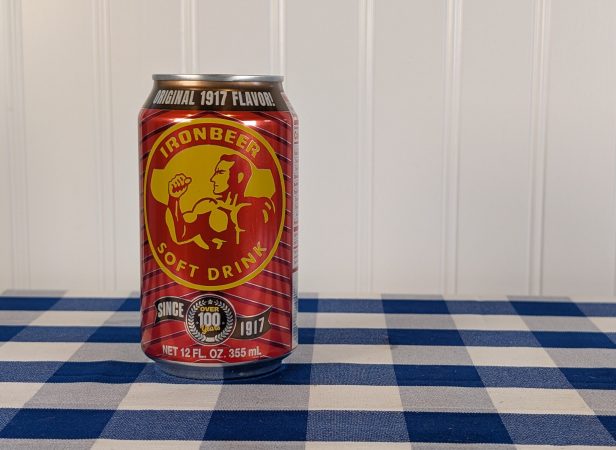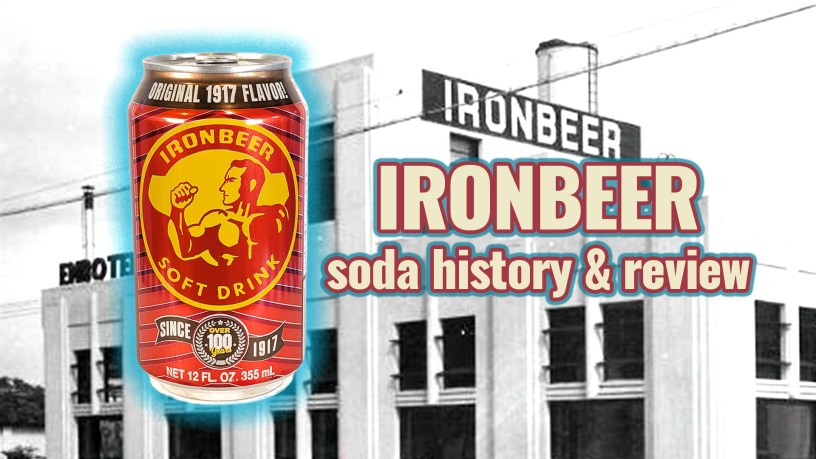
In the summer of 1917, a mule cart rattled through the rough streets of Havana to deliver the first four cases of a brand-new soft drink. Cubans quickly fell in love, dubbing Ironbeer “La Bebida Nacional.” More than a century later, Ironbeer has survived government seizures, exile in Miami, bankruptcy, and a vicious courtroom battle against corporate juice giants. Before I review the soda, let me share a bit more about its incredible history.
What is Ironbeer?
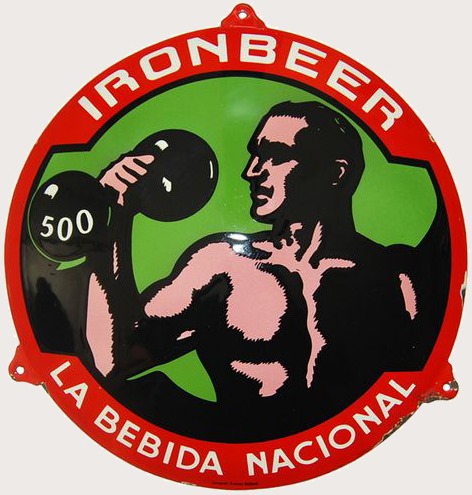
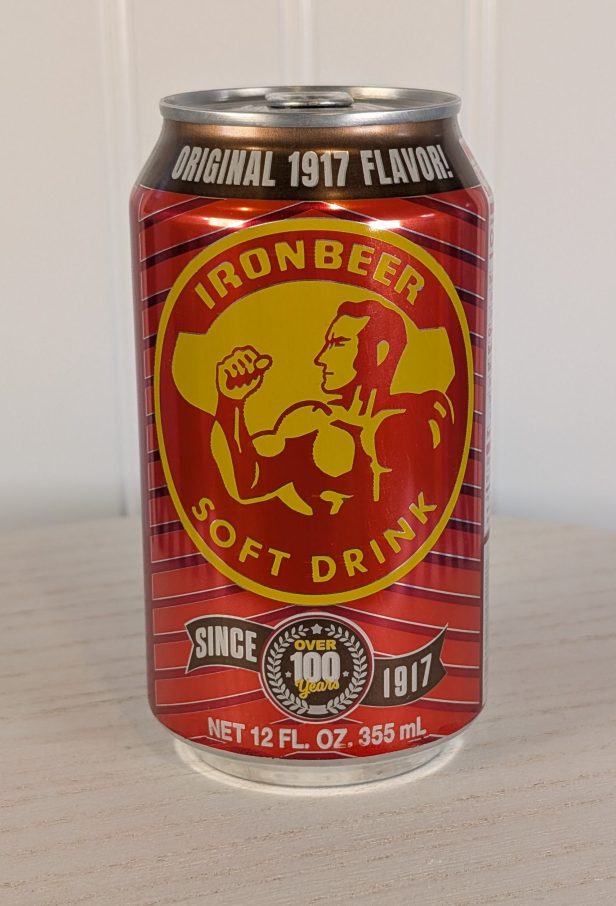
To help explain what Ironbeer is, it’s helpful to explain what it’s not. Ironbeer contains no iron, and it isn’t a beer. Back in the early 1900s, soft drinks were commonly formulated by pharmacists as “iron tonics” claiming to boost vitality and physical strength. “Beer” was standard shorthand for any dark, spiced, or botanical carbonated drink. Combining the two signaled a robust, restorative beverage (driven home further by a muscleman curling a 500-pound barbell on the logo).
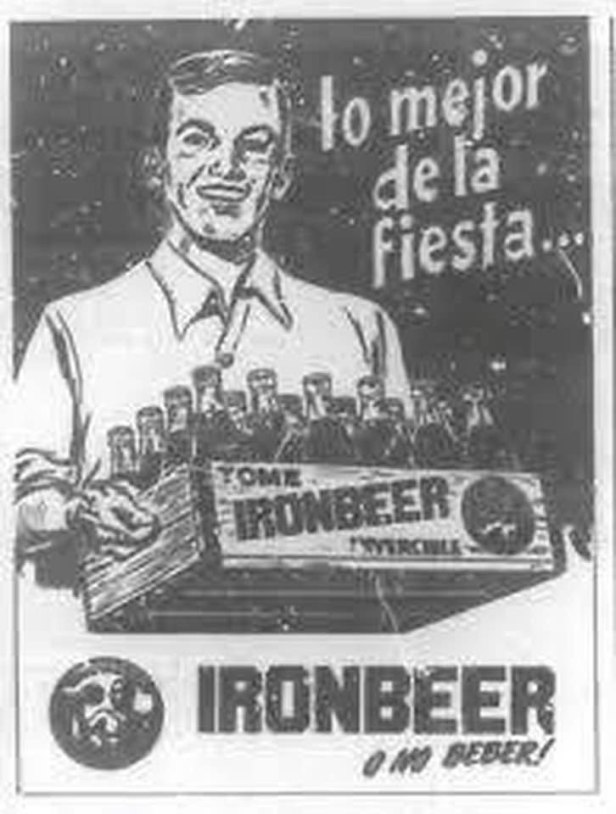
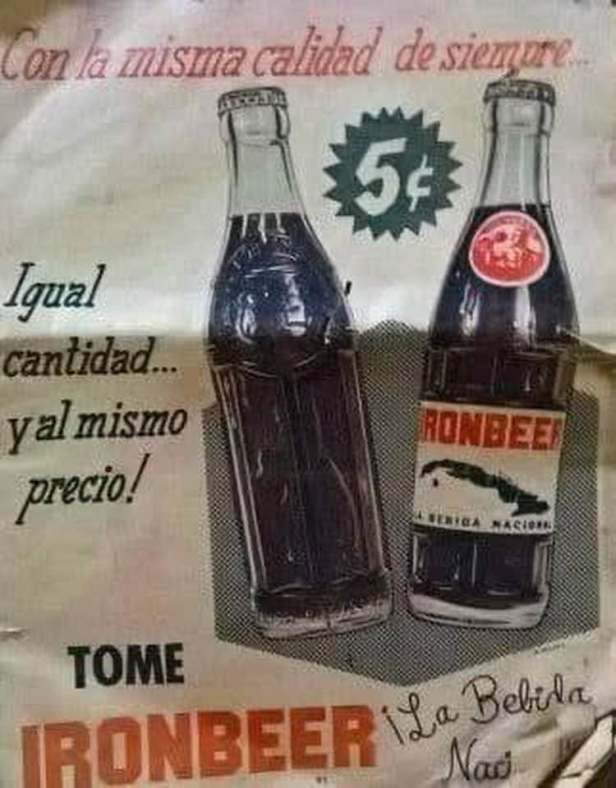
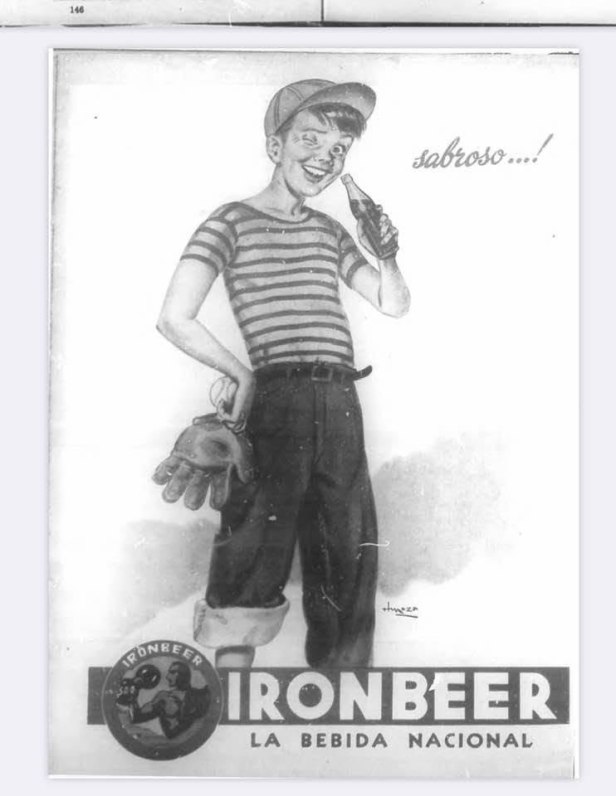
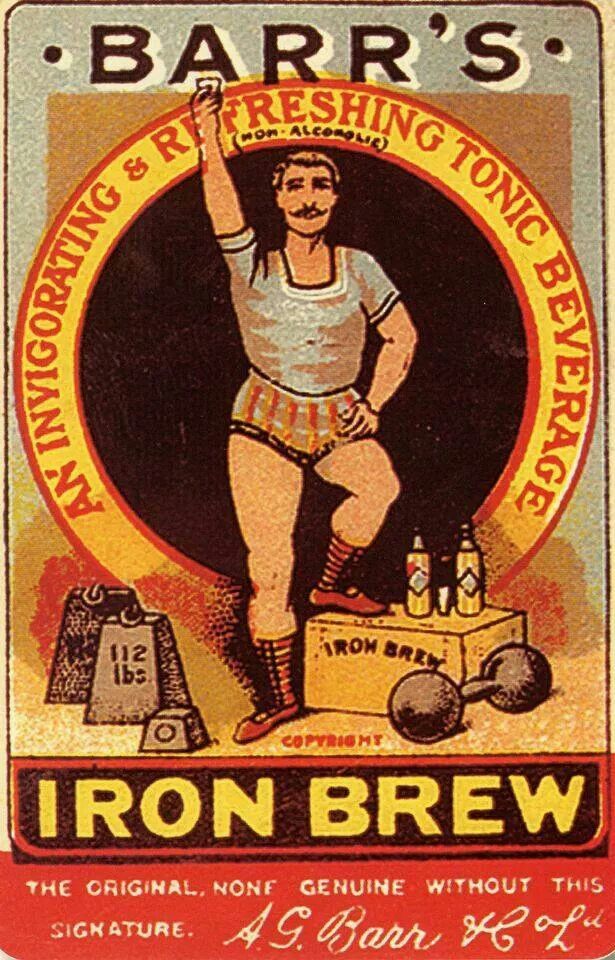
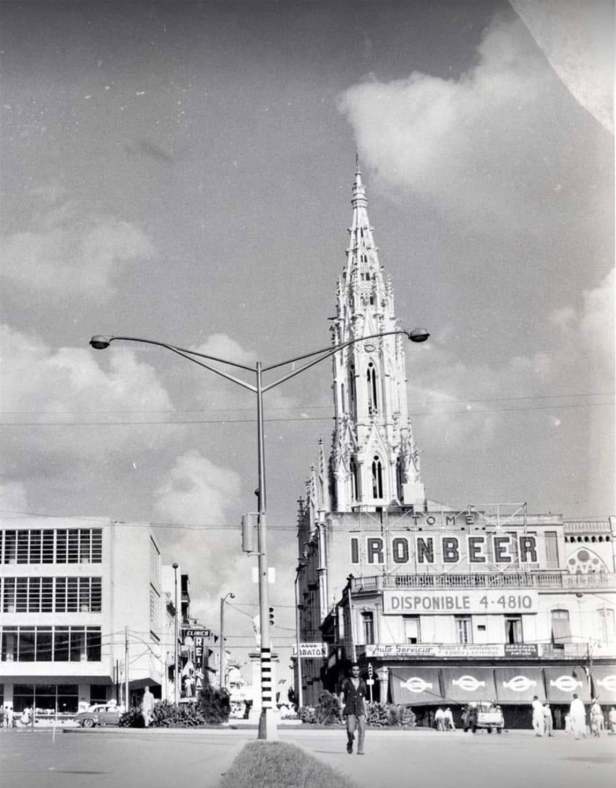
While the name clearly isn’t Spanish, Rabanal may have used an English compound word to give this humble Havana startup a bit of cosmopolitan prestige. Even so, Cubans have typically pronounced the name as “aye-rom-BEH” or “ee-rom-BEH” (I called the bottler to confirm). Another theory is that Rabanal stole the name from an American product called “Iron Brew” that was circulating around the British Commonwealth at the time…I guess we’ll never know.
For my other soda nerds, also note that Ironbeer has no direct connection to the Intermountain West soda called “Ironport”. Similar concept, but entirely different origins.
Ironbeer’s Havana Roots
Unlike many of the soft drinks of the early 1900s, Ironbeer was not created by a pharmacist. Manuel Rabanal was a Spanish born beverage entrepreneur and concocted the drink in Havana, Cuba, using a blend of caramel, citrus, and botanical spices. Rather than juicing whole fruits, Rabanal relied on concentrated synthetic flavor compounds. This allowed him to serve customers a mysteriously complex, fruity flavor profile that wouldn’t spoil or ferment under the tropical sun of an era that lacked commercial refrigeration.
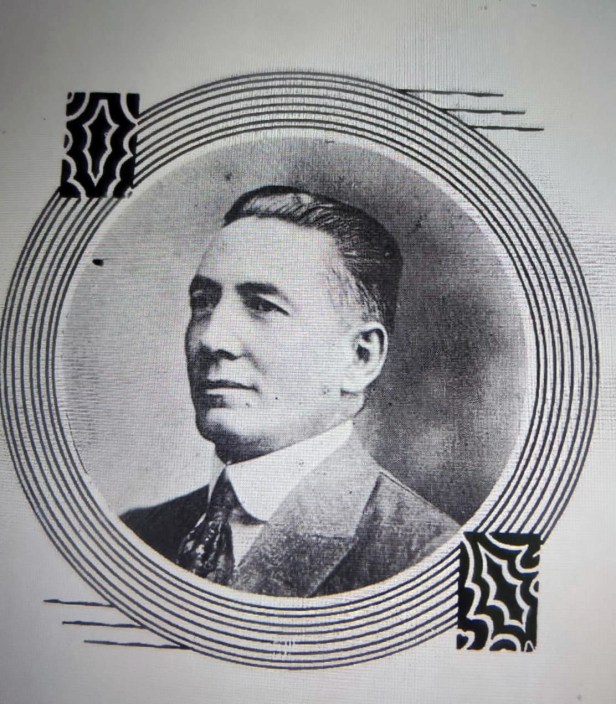
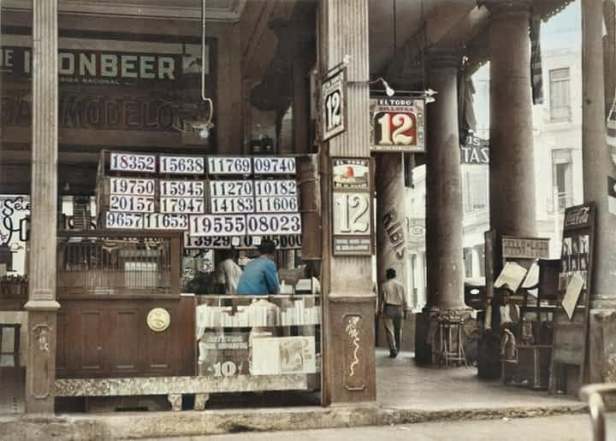
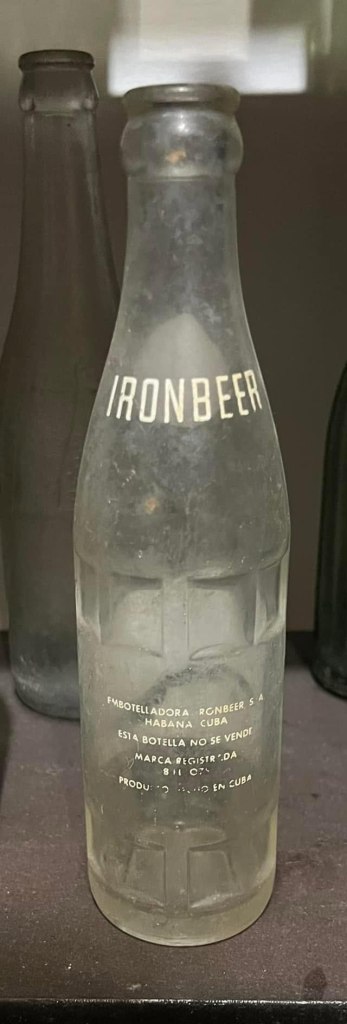
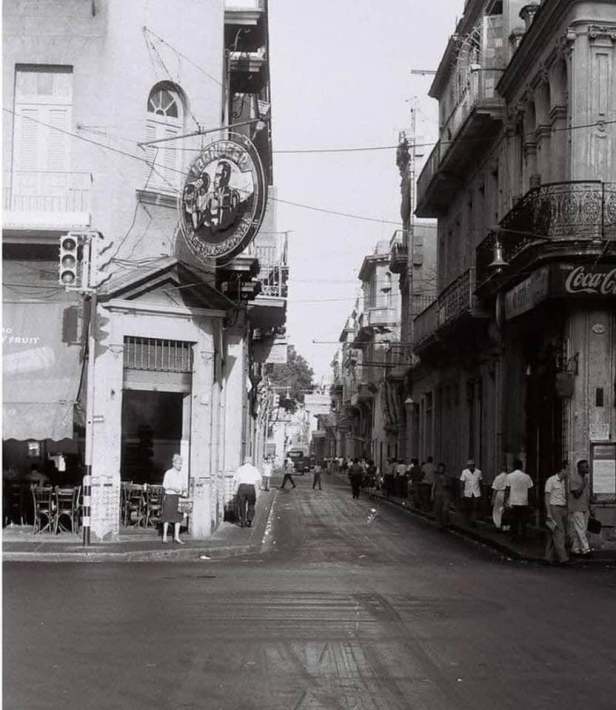
It was a huge success. Ironbeer became known as “La Bebida Nacional,” or “The National Drink,” and synonymous with Cuban food culture. The brand continued to grow all the way into the late 1950s under the leadership of the Rabanal, Larrazabal, and Rojas families. However, the political events of 1959 permanently altered the course of Ironbeer and Cuban history.
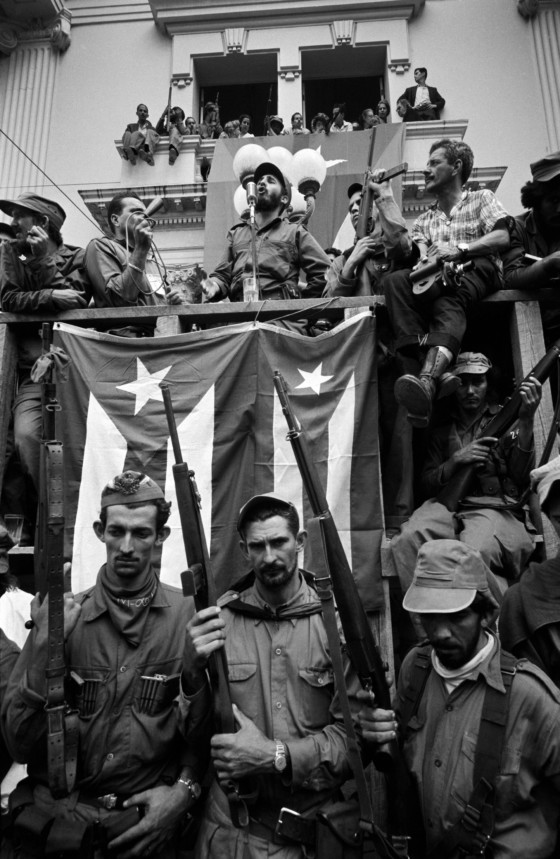
Fidel Castro and his 26th of July Movement seized power, ousting Fulgencio Batista and establishing a Marxist-Leninist government that began aggressively nationalizing private industries, from banks and sugar mills to local bottlers.
When Castro’s Ley 890 stripped the families of their business in October 1960, the Rabanals, Larrazabals, and Rojases made the difficult decision to flee. The regime seized the physical plant and equipment, but the families managed to smuggle out what mattered most: handwritten formulas and compounding ratios for Ironbeer, ready to start over in Miami.
Second Life in Miami
The Ironbeer family got back to business in Florida. Their new operation started slowly, supplying bottles of Ironbeer to Cuban bodegas along Calle Ocho and gradually expanding their reach. A fellow exile, Pedro Blanco Sr., saw a bigger opportunity. Blanco had been a cattle rancher in Cuba, but fled with just $47 in his pocket and took a job as a delivery driver for Ironbeer. After years of working his way up the ranks, he purchased the company and spearheaded a new phase of growth.
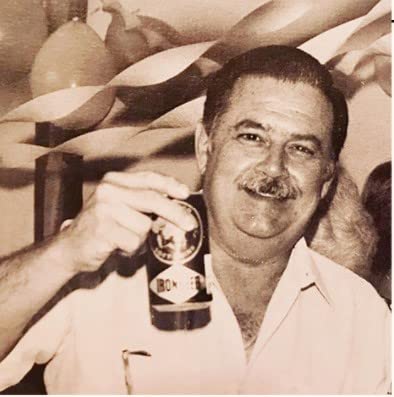
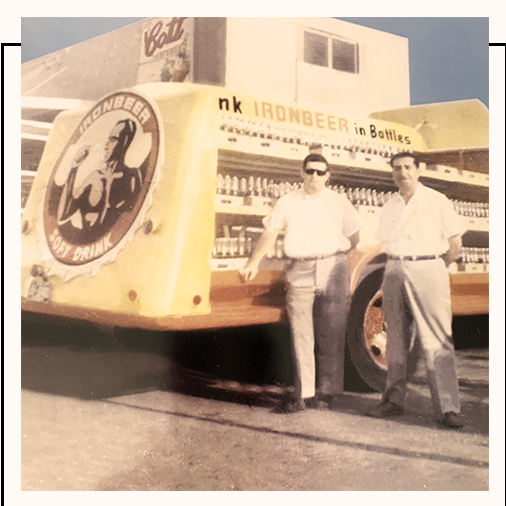
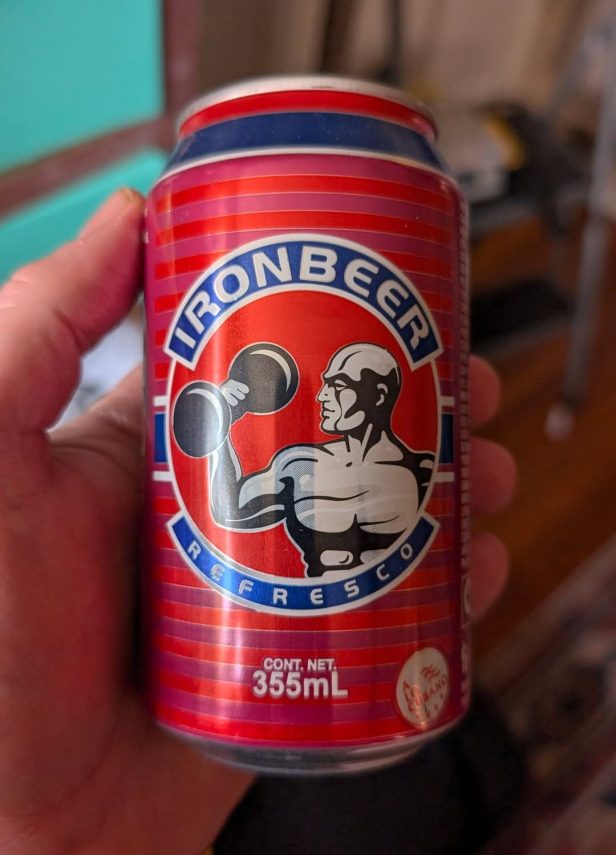
Blanco modernized the bottling operation and shifted focus from glass bottles to cheaper, more efficient aluminum pop-top cans with bold red-and-yellow branding. Over time, the vintage imagery of the strongman lifting a 500-pound barbell was updated, eventually ditching the barbell entirely to focus on the iconic, flexing bodybuilder that remains on the cans today.
The soda found distribution in major grocery chains like Publix, Winn-Dixie, and Sedano’s. Reach soon stretched beyond Miami into other Cuban-American diaspora hubs like New York, New Jersey, Los Angeles, and even the Caribbean. Blanco placed Ironbeer under the Sunshine Bottling corporate umbrella to expand into new flavors and private-label brands, building out enough capacity to provide co-packing and bottling services for third parties as well.
Tropicana Headwinds
By the early 1990s, Pedro Blanco Sr. had shepherded Sunshine Bottling into being a dominant regional player. This caught the attention of Tropicana, who signed a massive agreement to bottle their new single-serve, non-carbonated fruit juice lines with Sunshine. It sounded like a dream come true, but it was the start of a nightmare.
Sunshine invested heavily in new equipment to meet the volume requirements of the Tropicana agreement, taking on a lot of debt. Tropicana started finding excuses to delay or short Sunshine on the raw materials, and later rejected deliveries claiming that they didn’t meet quality standards. Despite no mention of this in the contract, Tropicana was enforcing a technically infeasible 1% headspace air requirement, effectively moving the goalposts. This was economically devastating for Sunshine, and they sued Tropicana for breach of contract.
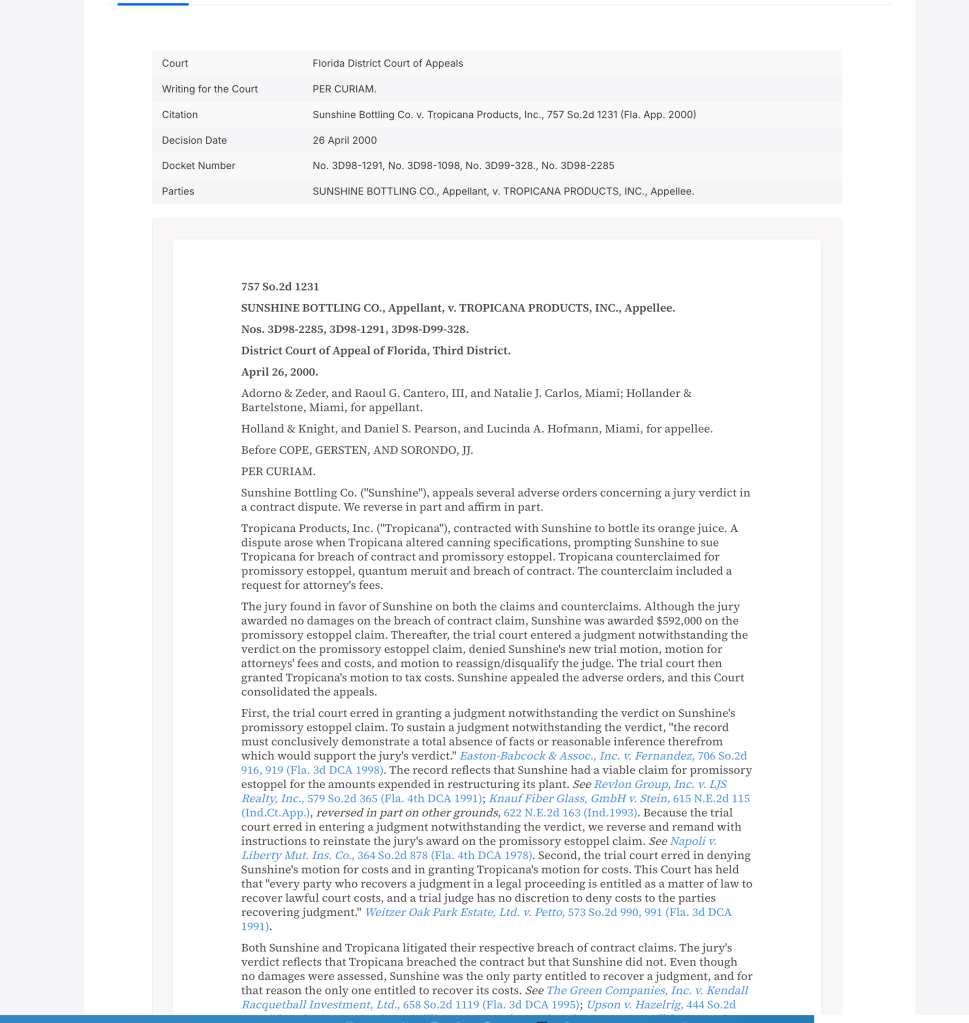
In a true David vs Goliath case, Sunshine was able to convince the jury that Tropicana acted in bad faith and awarded Sunshine $592,000 under promissory estoppel for the plan reconfiguration and setup costs (no other damages). While that sounds like a partial victory for Sunshine, a judge overturned the jury’s decision by granting a Judgment Notwithstanding the Verdict (JNOV) in Tropicana’s favor, completely wiping out the award.
Crushed under the debt from the unused equipment and bleeding cash, Sunshine was forced into Chapter 11 bankruptcy. Blanco refused to surrender and took the fight to the Florida Third District Court of Appeal. The appellate court ruled in Sunshine’s favor, reversing the trial judge’s order and reinstating a damages award.
However, it was a bittersweet victory. The court did not award attorney’s fees because the original agreement lacked a prevailing-party fee-shifting clause, meaning years of grueling legal expenses consumed most of the award.
100 Years and Counting
Fortunately, the story didn’t end there. The company navigated bankruptcy reorganization, preserved its production facilities, and kept complete family ownership of the original Ironbeer intellectual property. Pedro officially transferred ownership to his son Carlos, and the next generation took Ironbeer through its 100th anniversary and a new wave of growth.
The brand has expanded enough that I’m regularly able to find cans in my local Latin markets here in Seattle. What’s even more impressive to me is that you can now buy Sunshine Bottling’s Ironbeer as an imported product in Cuba. Talk about coming full circle!

Ironbeer Review
Given the dark color of the soda, I assumed that it would taste like a cola. I’ve heard comparisons to Dr Pepper, but in my opinion, that doesn’t really hold up. Ironbeer is very fruity, and the dominant flavors are orange and maybe cherry. There’s a touch of vanilla as well which gives it a little bit of a cream soda vibe. What sets it apart from most other beverages in the fruit/cream category are the warming spices. I believe I tasted clove, cinnamon, and maybe some ginger as well. It’s really good!
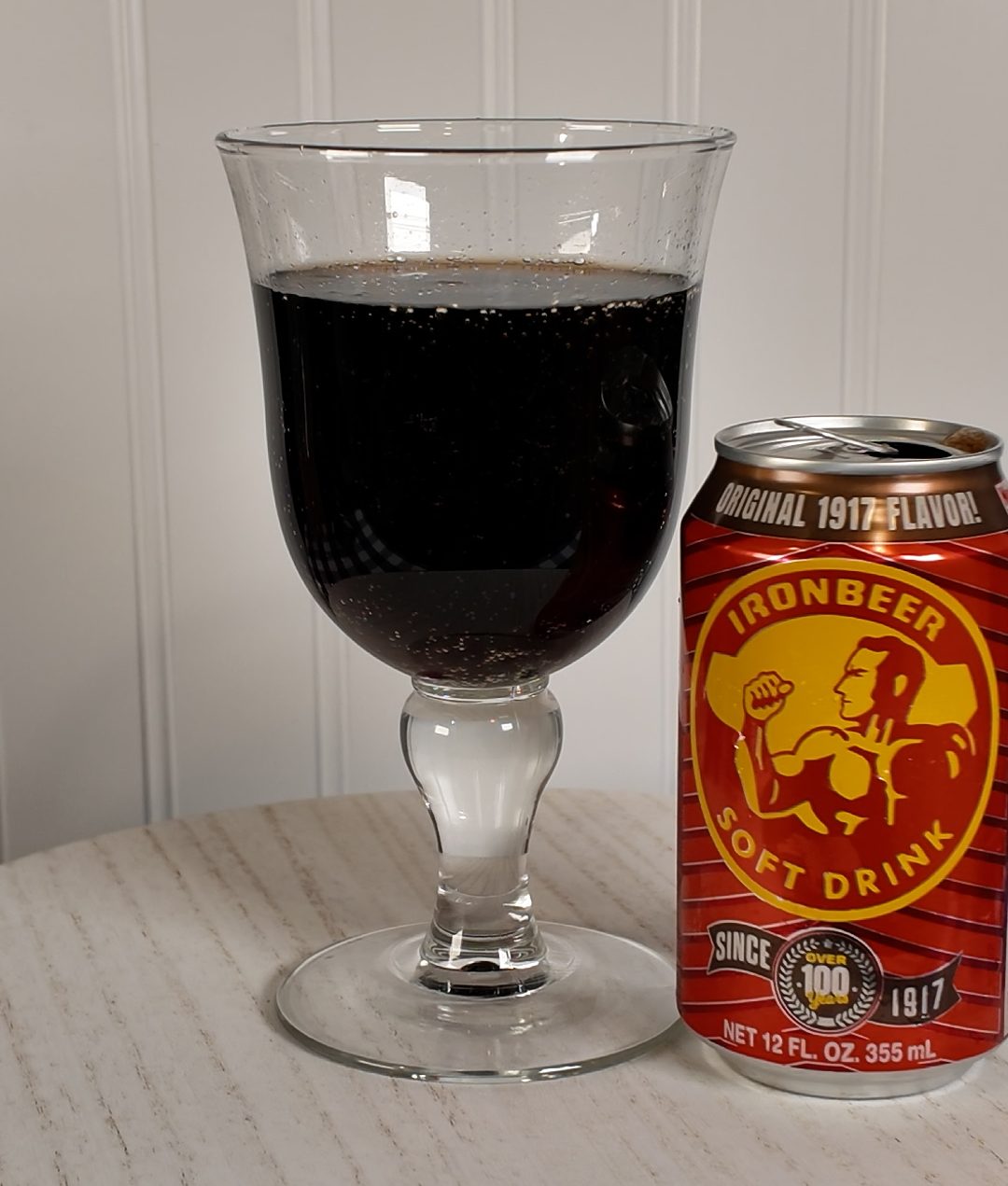
It’s a sweet soda, but despite the 47 grams of sugar (fructose), it’s not cloying or syrupy. The profile pairs really well with spicy citrusy foods. I found my can at El Mercado Latino in Pike Place Market for a criminally expensive $4 per can, but you should be able to find it for cheaper at other Latin/Mexican markets.
I really enjoyed researching the history of Ironbeer, but I hope that you’re able to give it a try as well. Let’s keep these historic brands alive.
Ironbeer, o no beber!