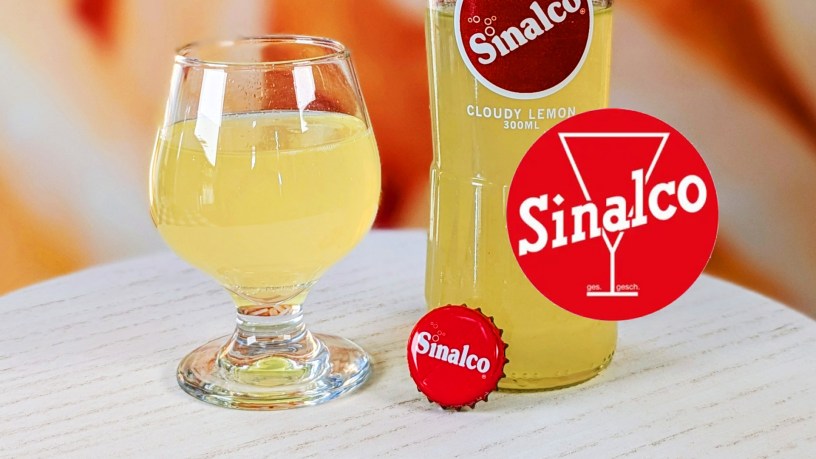
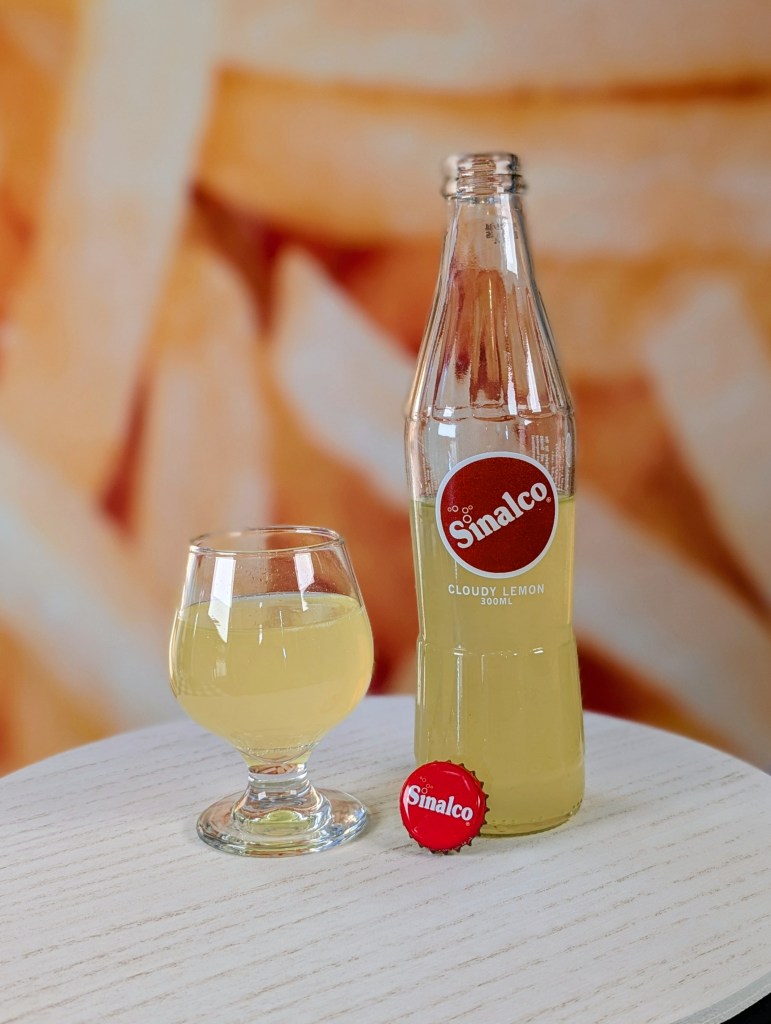
Europe’s oldest soft drink began in a German sanatorium. It started as an effervescent powder and survived both World Wars. Despite over a century of global popularity, Sinalco still lacks official U.S. distribution. Yet, I found this bottle at a Korean grocery store called H-Mart in Lynnwood, WA. When I checked the label I discovered it was imported all the way from Iraq. Before we crack it open for a taste test, let’s dive into how this German icon became such a global traveler.
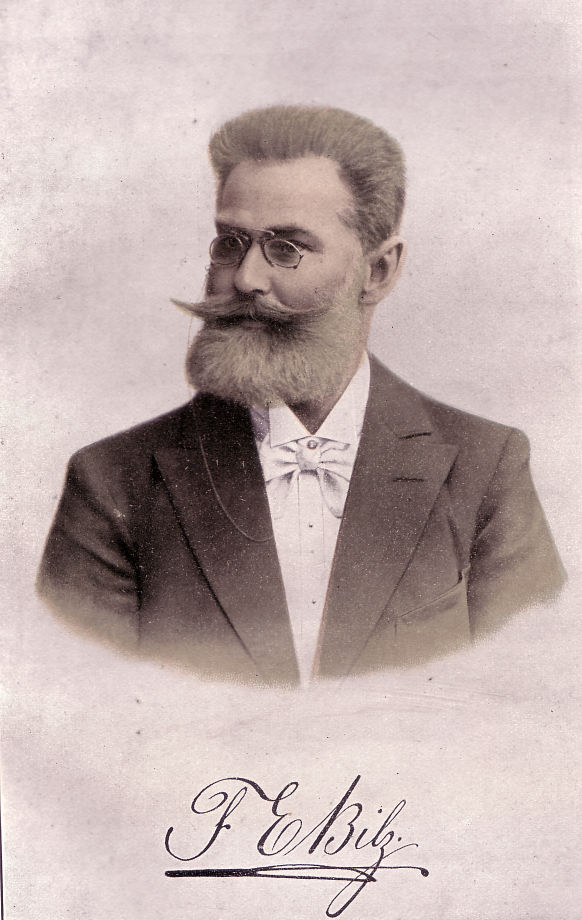
Sinalco began in 1902 when German naturopath Friedrich Eduard Bilz started serving a fizzy fruit tonic to patients at his sanatorium. Bilz was an early pioneer in holistic medicine and even published a book called The Natural Method of Healing. Many of his medical theories have rightfully not stood the test of time, including some truly disastrous advice on natural contraceptives. However, his lemon-based soda has done the opposite. It hasn’t just survived. It’s endured as a global phenomenon.
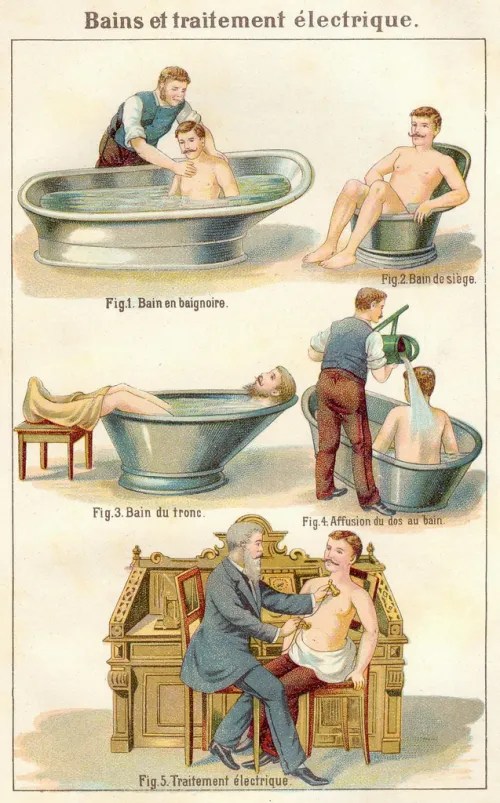
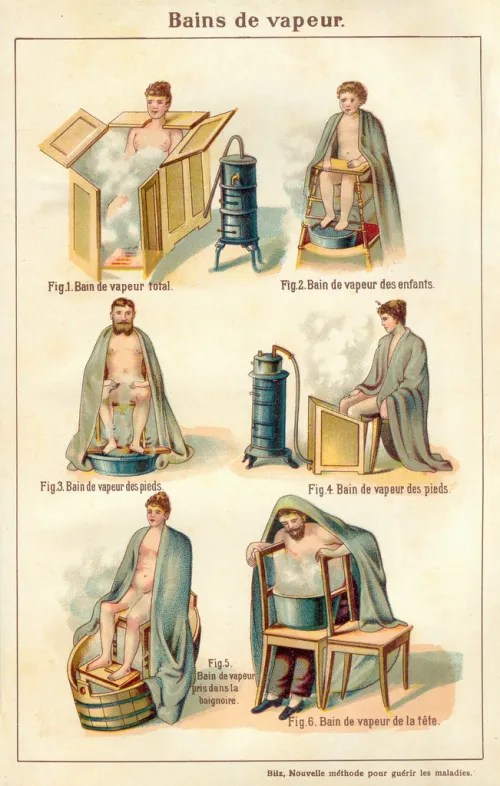
Sinalco wasn’t the soda’s original name. Friedrich started selling it as “Bilz Brause”, which he sold as both a bottled drink and a fizzy powder that people added to water. The name may have helped inflate his ego, but it wasn’t catchy enough to separate his brause (also known as a sherbet) from the many other brands on the market. In 1905, a naming contest rebranded it as Sinalco. Short for sine alcohole, Latin-inspired for “without alcohol”. A little on-the-nose, but it proved to be memorable.
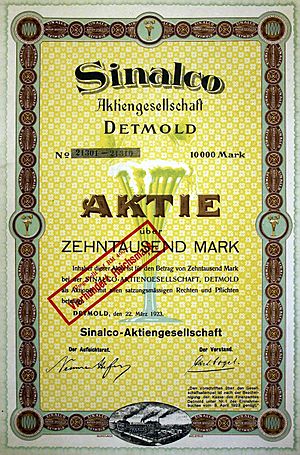
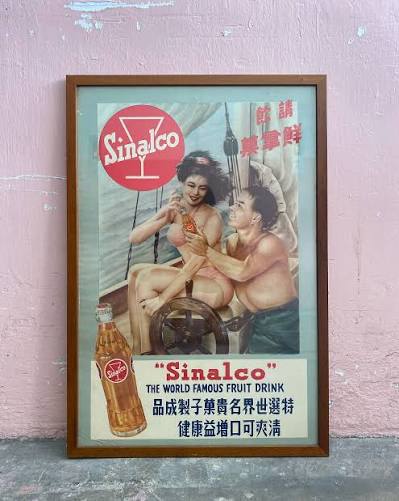
This name, combined with their iconic red dot logo, fueled one of the earliest known coordinated global ad campaigns, and between the 1910s to 1920s Sinalco had created licensing agreements around the world. They became especially popular in South America, Singapore, and the Middle East.
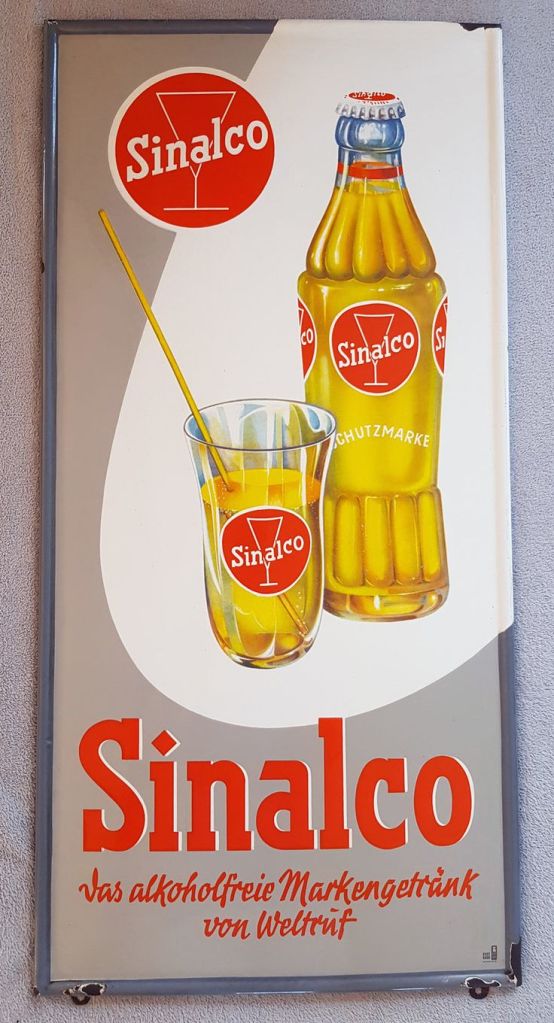
World War II was pretty disruptive for a German soda company, and most of Sinalco’s global operations were severed. Following the war, Sinalco quickly rebuilt its previous licensing network and became one of the first commercial success stories of post-war Germany. They introduced many new flavors, had prominent advertising jingles, and competed well against their American competitors across Europe, the Balkans, and the Middle East.
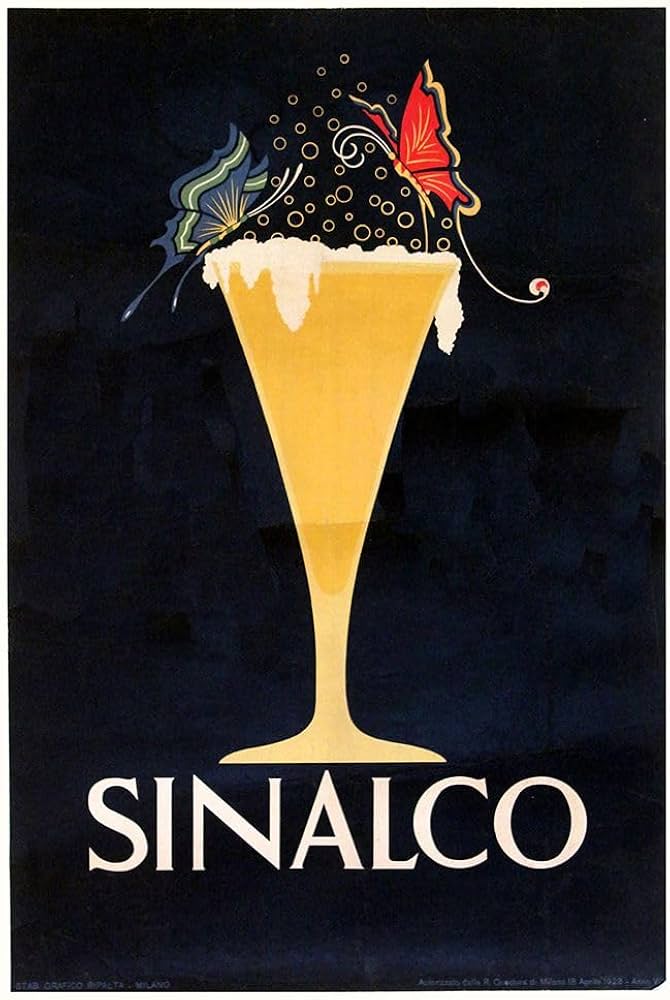
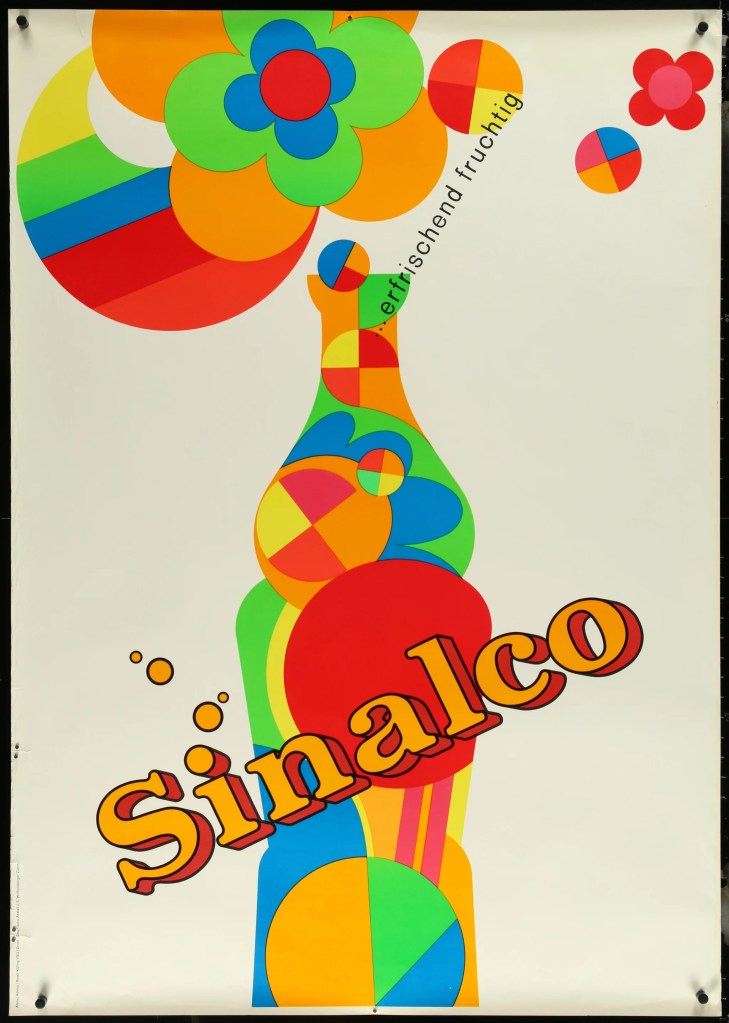
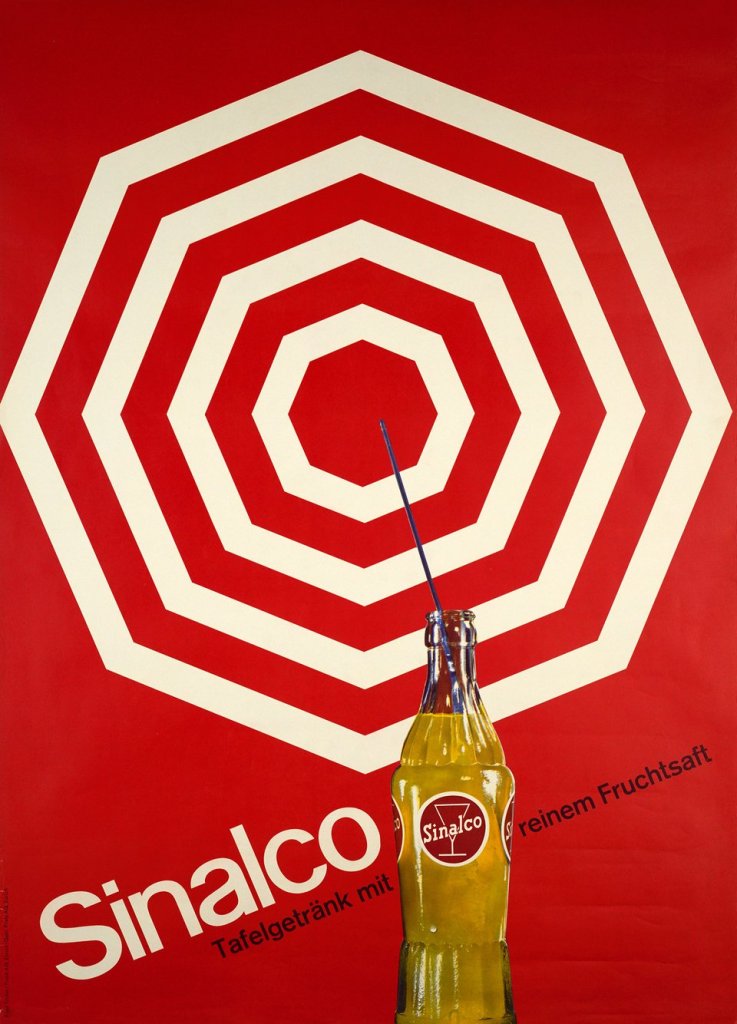
I wrote about this in more depth in a different post, but one of the key Middle Eastern soda markets was Iraq. Sinalco worked with the Arabian Aerated Water Company to produce their sodas in two different Iraqi factories. Operations thrived until the UN embargoes of the 90s cut off supplies and support. Some counterfeit bottling continued over the next decade or so, but Sinalco didn’t reenter the Iraqi market until 2005.
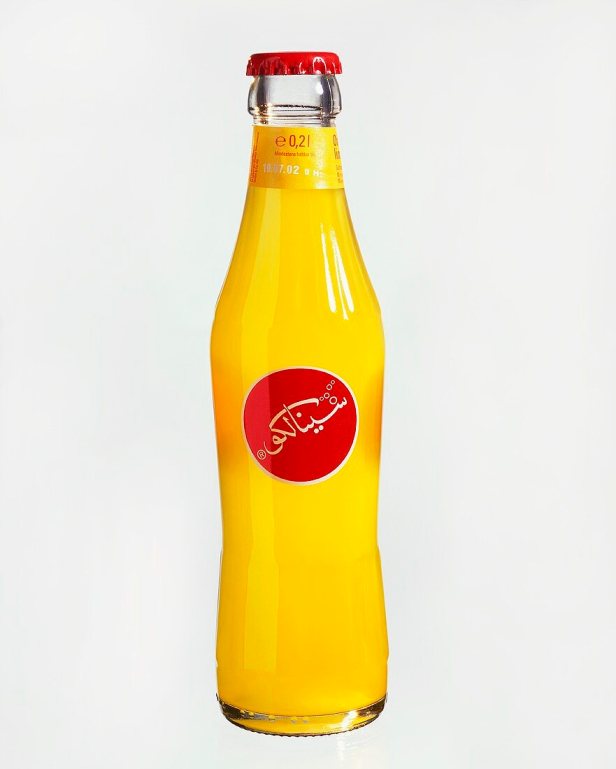
While Sinalco is still not produced in the United States, their Iraqi bottlers export the brand into various retailers. I found my bottle at an H-Mart grocery store in Lynnwood, Washington. I’ve also seen bottles at Middle-Eastern grocery stores and other specialty importers.
Does Sinalco’s flavor justify that sort of world traveling? I enjoyed it. I’ve only had the Cloudy Lemon flavor, but it’s a refreshing fruit-forward lemon soda that’s not too tart, not too sweet, and nicely carbonated. The flavor is pretty close to an old-fashioned lemon drop candy. I’m always a fan of glass bottle sodas with cane sugar, and the red dot Sinalco logo really stands out in the crowd. In my opinion, it’s definitely worth a try, but it probably won’t cure any chronic illnesses. I’m sure that Friedrich Eduard Bilz will be disappointed with that news. Check out my video review below, and make sure you follow my social media channels!

